


Cork fabric is one of the most fascinating materials to sew with. It begins as bark on a living tree, and is eventually transformed into a durable, water-resistant textile that can be sewn on a domestic sewing machine.
After visiting Portugal and seeing cork production firsthand, I gained an even deeper appreciation for the craftsmanship and care behind this remarkable material.
In this guide, we’ll explore how cork fabric is made from tree to textile, why it performs so well for sewing projects, and how you can start using cork in your own bag-making projects!
Where Cork Comes From
Cork fabric begins with the cork oak tree (Quercus suber), which grows primarily in Portugal, Spain, and parts of southern France. Portugal alone produces about half of the world’s cork supply.
During my visit to the Alentejo region of Portugal, I was amazed by how cork trees shape the landscape. Rolling hills, sandy soil, and scattered cork oaks create protected ecosystems known as montados.
These forests are carefully managed and provide important environmental benefits:
Support biodiversity
Prevent soil erosion
Absorb carbon dioxide
Sustain local rural economies

Cork oak trees can live more than 200 years, and one of their most unique qualities is that they are never cut down to harvest cork. Instead, the bark is carefully removed and naturally regenerates.
Harvesting Cork from the Tree
Cork harvesting is a specialized craft passed down through generations.
Workers use traditional axes to carefully peel the outer bark from the tree without damaging the living layer underneath, called the cambium. As long as this layer remains intact, the bark will grow back.
Key facts about cork harvesting:
Trees are first harvested at about 25 years old
Cork is harvested once every nine years
Trees can produce cork for well over a century
Each harvested tree is tagged and tracked

In Portugal, cork oak trees are legally protected, and harvesting cycles are carefully regulated to ensure the long-term health of the forest.
This thoughtful system allows cork to remain one of the most renewable natural materials in the world.
Drying, Boiling, and Grading Cork
Once cork bark is harvested, it enters the next stage of processing.
Drying
The cork planks are stacked outdoors for several months to stabilize the material naturally.
Boiling
Next, the cork is boiled in large vats of water. This process:
Removes impurities
Kills bacteria
Increases flexibility
Expands the cork structure

Sorting and Grading
After boiling, the cork is graded based on two main factors:
Porosity (also called veracity): Fewer visible pores indicate higher quality cork.
Thickness: Thicker bark produces stronger and more elastic cork.
The grading determines how the cork will be used:
Highest quality: Natural wine stoppers
Mid-grade: Cork fabric and fashion materials
Lower grade: Flooring, insulation, and industrial uses
Even cork dust is reused, making the cork industry a nearly zero-waste process.

How Cork Becomes Cork Fabric
Cork fabric is typically made using mid-grade cork, which has beautiful texture and durability.
The manufacturing process involves several steps:
Cork is compressed into blocks using specialized machines.
The blocks are shaved into extremely thin sheets.
These sheets are bonded to a fabric backing
The backing is what gives cork fabric its flexibility and strength.
High-quality cork fabric usually includes either:
Woven fabric backing
Microsuede backing

This combination creates a lightweight, flexible textile that can be sewn on a domestic sewing machine. The result is a material that looks luxurious but is surprisingly easy to work with.
Why Cork Fabric Performs So Well for Sewing
Cork’s natural cellular structure gives it unique performance qualities. Cork contains a waxy substance called suberin, which makes it naturally water-resistant.
Its closed-cell structure also makes cork:
Lightweight
Elastic
Shock absorbent
Sound insulating
Thermally insulating
Because cork regenerates after harvesting, it is also a renewable and sustainable material.
These qualities make cork an excellent choice for bags, accessories, and everyday sewing projects.

How to Choose High-Quality Cork Fabric
If you’re purchasing cork fabric for sewing, look for these features:
A strong woven or microsuede backing
Even adhesion between the cork layer and backing
Flexibility
Quality cork fabric should feel supple and durable, not brittle or paper-thin.

Beginner Projects Using Cork Fabric
Cork fabric is surprisingly beginner-friendly to sew with! If you’re new to working with cork, start with simple projects that allow the material to shine.
Great beginner cork projects include:
These styles keep construction simple while highlighting the natural beauty of cork.
Even small pieces of cork can go a long way. If you have a smaller cut of cork fabric, check out our video:
What Can You Make With a 1/3 Yard of Cork?
This tutorial includes project ideas for using cork scraps and smaller pieces!
Designer Cork Prints & Cork Club
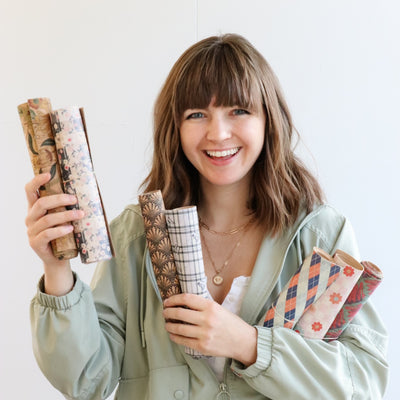
One of the most exciting developments in cork sewing is our collaborative work in designer cork prints! At Sallie Tomato, we offer exclusive cork prints created by renowned surface pattern designers, bringing artistic patterns and colors to this unique material.
These prints allow even simple projects—like notebook covers or laptop sleeves—to look polished and high-end.
For cork enthusiasts who love new designs and inspiration, our Cork Club features:
Exclusive cork selections
Inspiration for using your cork fabrics
And more!
These beautiful materials deserve to become finished pieces—not just admired on the shelf—although we love doing that too!

Sewing with Cork Feels Special
I’ve always loved cork fabric, but seeing cork production firsthand in Portugal gave me an even deeper respect for the material.
There are generations of knowledge, careful regulation, and incredible craftsmanship behind every sheet.
Cork trees spend decades growing before their bark can be harvested.
When you think about it, it’s remarkable that something growing slowly on a tree for years can eventually make its way to our cutting table—ready to be sewn into a project.
Knowing that story makes sewing with cork feel even more meaningful.

Explore Cork Fabric for Your Next Project
If you’re ready to try sewing with cork, explore our collection of:
You can also tag your projects with #sallietomato on social media so we can celebrate your handmade creations!
Happy sewing—and let’s Create Confidently together!



Laissez un commentaire